Carpet tiles are better than long loop carpet for most modern homeowners because they offer easier installation, simpler repairs, better performance over concrete, and superior moisture handling. Long loop carpet still wins on continuous plush appearance, comfort underfoot in bedrooms, and a seamless look in formal living spaces. The honest answer for most homes is that both have a place. Tiles excel in basements, home offices, playrooms, and high traffic areas where you want practical durability and easy repair. Long loops and other rolled carpets remain the better choice for primary bedrooms, formal rooms, and anywhere you want true wall to wall plushness. Below we walk through every meaningful comparison point in detail so you can make the right choice for each room in your home.
Side by Side Comparison at a Glance
For homeowners weighing the decision, this comparison table summarizes the key differences across the categories most homeowners care about.
| Factor | Carpet Tiles | Long Loop Carpet |
| Typical material cost per sq ft | $2 to $6 (premium up to $8+) | $2 to $5 (premium up to $6+) |
| Installation cost per sq ft | $0 DIY or $1 to $3 with help | $3 to $7 professional only |
| Padding required | No (backing handles this) | Yes ($0.50 to $1.50 per sq ft) |
| DIY friendly | Yes, very | No, professional only |
| Lifespan with normal use | 10 to 15 years | 10 to 15 years |
| Repair after damage | Replace individual tile | Full room replacement typical |
| Best over concrete | Excellent | Requires careful prep |
| Moisture and flood tolerance | Good with waterproof backing | Poor, often requires full replacement |
| Pet friendliness | Good (depends on construction) | Poor with active pets and claws |
| Seamless plush appearance | No (visible grid pattern) | Yes |
| Best application | Basements, offices, kids spaces, pet zones | Bedrooms, formal living rooms |
Understanding What You Are Actually Comparing
Before getting into which option is better, it helps to be clear about what each product actually is, because both terms get used loosely in casual conversation and product listings.
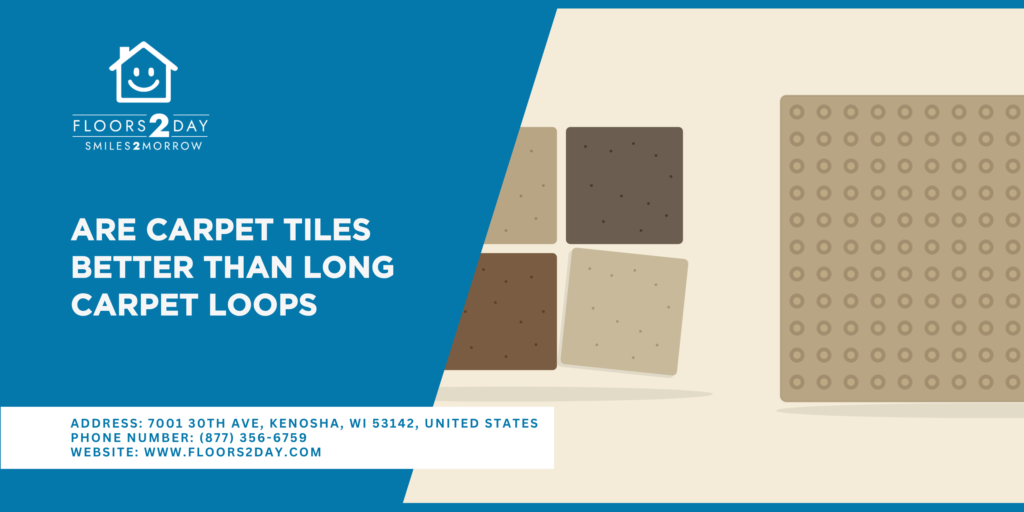
Carpet tiles, sometimes called modular carpet or carpet squares, are individual sections of carpet typically sized at 18 by 18 inches, 24 by 24 inches, or larger, with a rigid backing that allows them to be installed individually rather than as a continuous roll. Tiles can have any pile style, including cut pile, loop pile, cut and loop combinations, and various textured patterns. They are typically installed with peel and stick adhesive, release adhesive that allows future removal, or interlocking edges with no adhesive at all.
Long loop carpet, also called high loop or shag loop, is a style of traditional rolled carpet where the yarn is left in uncut loops that stand taller than typical loop pile constructions. The loops give the carpet a textured, casual appearance and a softer feel underfoot than tight low loop styles. Long loop carpet is installed as continuous rolls of broadloom, stretched and seamed across rooms by a professional installer, the same way most wall to wall carpet has been installed for decades.
These two products represent different philosophies about how flooring should work in your home. Tiles prioritize modular flexibility, ease of installation, and serviceability. Long loop carpet prioritizes seamless continuous appearance, traditional installation, and a specific aesthetic that has been popular in residential design for generations. Knowing which philosophy fits your household is the first step in making the right choice.
How Each Option Holds Up in Real Homes
Durability is where most homeowners start the comparison, and the answer is more nuanced than either side of the debate often admits. Both carpet products in Kenosha can perform well over a long period when matched correctly to the room and maintained properly.
Carpet tiles generally have a slight edge in active high traffic areas. The rigid backing keeps each tile flat and stable, which resists the kind of pattern stretching and rippling that can develop in rolled carpet over years of use. When a single area gets damaged, whether from a stain, a tear, a burn, or simple wear, you replace only the affected tile rather than living with the damage or replacing the entire room. For homeowners who want their floors to look new for as long as possible, this modular replacement capability is significant.
Long loop carpet performs well in lower traffic environments and in homes without pets, but the loop construction creates specific vulnerabilities. Pet claws, child toys, vacuum cleaner brushes, and even sharp heels can catch in the loops and pull them up. Once a loop is pulled, the damage tends to grow rather than stay contained, since the entire row of yarn can run like a snagged sweater. Quality long loop products use tight construction and durable fibers to minimize this risk, but the inherent vulnerability of the loop style remains.
Both options last roughly 10 to 15 years with normal residential use when matched to the right environment. The difference is what happens during those years. Tiles tend to age gracefully because individual problem areas get addressed as they appear. Rolled carpet including long loops tends to age more visibly in traffic patterns because the damage cannot be isolated and replaced.
Installation Differences That Affect Cost and Timing
Installation is one of the largest practical differences between these two options, and for many homeowners it ends up being a deciding factor.
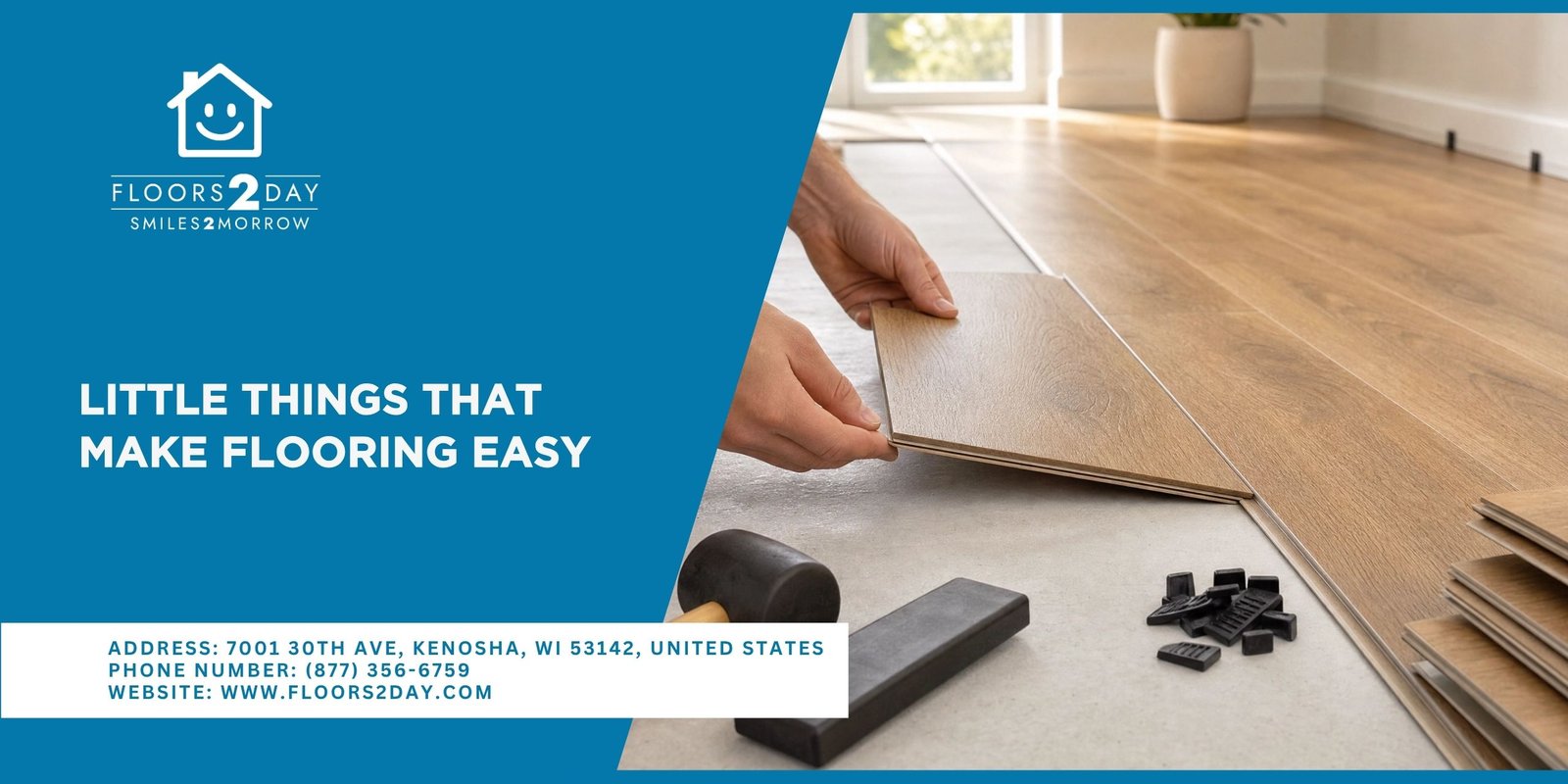
Carpet tiles are designed for self installation. Most modern residential carpet tiles use peel and stick adhesive backing or release adhesive systems that bond securely without requiring professional tools. The process is straightforward enough that a motivated homeowner can install tiles in an average sized room in a single afternoon with no prior experience. The tools you need are basic and inexpensive. A utility knife, a straight edge, a measuring tape, a pencil, and a chalk line cover the entire job. Some installations also benefit from a small roller to ensure good adhesive contact, but this is optional.
This DIY accessibility translates directly to lower total project cost. Professional carpet installation in Kenosha typically runs three to seven dollars per square foot in labor alone, which on a 500 square foot basement comes out to fifteen hundred to thirty five hundred dollars just for installation. With tiles, you save virtually all of that cost by doing the work yourself, and the project gets done on your schedule rather than waiting for installer availability.
Long loop rolled carpet is not realistically a DIY project for most homeowners. The installation requires specialized tools including a power stretcher, knee kicker, seam iron, seaming tape, and a sharp carpet knife. More importantly, it requires real experience to do it correctly. Poor installation results in ripples, loose seams, premature wear, and often voids the manufacturer warranty. Professional carpet installation is the only reasonable path for almost every homeowner, which means you are committed to the cost and the scheduling that comes with it.
The project timeline also differs significantly. A typical residential carpet installation by a professional crew takes one to two full days for a standard home, plus the lead time of one to three weeks to get on the installer’s schedule. Carpet tile installation can be completed in evenings and weekends with no scheduling dependencies, which matters when you are managing a renovation or moving into a new home.
Real Cost Comparison Beyond the Sticker Price
Comparing the cost of these two carpet options requires looking past the per square foot price to the total ownership cost over the life of the floor. The honest analysis often surprises homeowners who assumed tiles would always be the cheaper or more expensive option.
On a per square foot basis, midrange residential carpet tiles typically run from two to six dollars depending on quality and brand, with premium options reaching eight or more dollars. Midrange long loop rolled carpet runs from two to five dollars per square foot for the carpet itself, with premium options at six dollars or higher. These ranges overlap considerably, which means the carpet cost alone is roughly comparable for similar quality products.
The installation cost is where the math changes substantially. For rolled carpet, add three to seven dollars per square foot for professional carpet installation, padding, and any required floor preparation. Padding alone typically runs fifty cents to a dollar fifty per square foot. For tiles, the installation cost is essentially zero if you do it yourself, or one to three dollars per square foot if you hire help. Tile installations also generally do not require separate padding because the rigid backing serves the same function.
Over the life of the floor, the cost difference grows further. With rolled carpet, any significant damage typically means replacing the entire room or living with the damaged area until full replacement. With tiles, you replace individual squares as needed at minimal cost. Many homeowners keep a small stock of original tiles specifically for this kind of spot replacement, which can extend the practical life of the overall floor significantly.
The total cost comparison for a typical 500 square foot basement looks something like this in our current market. Long loop rolled carpet with quality padding and professional installation typically lands between three thousand and five thousand dollars all in. Comparable quality carpet tiles installed by the homeowner typically land between fifteen hundred and twenty five hundred dollars all in. For premium products on both sides, those numbers scale up roughly proportionally but the gap between professional rolled carpet and DIY tile installation tends to widen.
How They Look and Feel in Your Home
Beyond the practical considerations, the aesthetic experience of living with each option is genuinely different, and this matters more for some homeowners than for others.
Long loop carpet delivers the classic wall to wall plush experience that has been a hallmark of residential design for generations. The continuous unbroken surface creates a sense of softness and luxury that many homeowners specifically associate with carpeted rooms. The texture of long loops, with their visible yarn structure, adds visual interest and a casual elegance that works well in living rooms, family rooms, and bedrooms. Under bare feet, the experience is soft, warm, and yielding in a way that hard surfaces and shorter pile carpets do not match.
Modern carpet tiles have advanced dramatically from the flat commercial squares that dominated the category twenty years ago. Today’s residential tiles come in cut pile, plush, frieze, pattern, and textured styles that look and feel similar to traditional rolled carpet. The visible difference is the grid of seams between tiles, which manufacturers minimize through careful design but never eliminate completely. On solid color tiles installed with care, the seams become quite subtle. On patterned tiles where the pattern is designed to flow across the grid, the modular nature can become nearly invisible.
Some homeowners actively prefer the look of carpet tiles. The modular grid creates a more contemporary feel that fits modern interior design well, and the ability to mix colors and patterns in the same installation opens design possibilities that rolled carpet simply cannot offer. Geometric patterns, color blocking, and rug-like inset designs are all easy with tiles and impossible with traditional broadloom.
For homeowners with strong preferences, the right approach is usually to visit a showroom and walk on samples of both options in your stocking feet. Photos and online descriptions cannot fully convey the underfoot feel or the way light reflects off different pile constructions in real conditions.
Day to Day Maintenance and Long Term Cleaning
Both products require regular maintenance to perform well over their full lifespan, but the day to day and long term maintenance picture differs in some important ways.
Vacuuming requirements are roughly similar for both options. Both benefit from weekly vacuuming in low traffic areas and more frequent vacuuming in high traffic zones. Long loop carpet requires care with the vacuum beater bar setting, since aggressive brushing can catch in the loops and cause pulls. Many vacuum manufacturers specifically recommend suction only settings for loop pile carpets. Tiles can typically be vacuumed with normal beater bar settings, since the rigid backing keeps the carpet stable.
Spot cleaning works similarly on both products. Spills should be addressed immediately with blotting, appropriate cleaner for the stain type, and a final water rinse. Long loop construction can hold spills longer at the surface, giving you a few extra seconds to respond before the liquid soaks deeper, which is actually an advantage during emergencies.
Deep cleaning is where the products diverge significantly. Long loop carpet, like all rolled carpet, requires periodic deep cleaning by either rental machine or professional service, with the carpet remaining wet for six to twelve hours afterward. The room is essentially out of service for the better part of a day each time. Carpet tiles can be deep cleaned the same way for whole room treatment, or individual tiles can be removed, cleaned in a sink or with a hose outside, allowed to dry completely, and reinstalled. This individual tile cleaning capability is particularly valuable for accidents that would otherwise require professional treatment.
Long term, the maintenance advantage tilts toward tiles for homeowners who want a low effort floor. The ability to replace rather than clean a problem tile means that some maintenance categories simply disappear with tiles. Pet accidents that have soaked into the pad, persistent stains, burns, tears, and water damage all become tile replacement issues rather than carpet cleaning challenges.
Which Rooms Suit Each Option Best
The most useful way to think about this comparison is room by room rather than as a whole house decision. Floors2day have noticed that most well designed homes use different flooring in different rooms based on how each space is actually used, and carpet tiles versus long loop carpet often have clear winners in specific spaces.
Basements
Carpet tiles are the clear winner in finished basements for almost every household. The combination of direct over concrete installation, moisture resistance, easy individual replacement after minor flooding, and DIY installation friendliness all align with what basements need. Many tile products are specifically engineered for basement use with waterproof backings and moisture resistant fibers. Long loop rolled carpet in basements requires padding that can develop mold issues after even minor moisture events, and a single basement flood can mean complete carpet replacement.
Bedrooms
Bedrooms, especially primary bedrooms, are where long loop carpet shines. The seamless plush experience of waking up and stepping onto continuous soft carpet is something tiles do not fully replicate. Spills and wear are typically lower in bedrooms than in living areas, which reduces the practical advantages tiles offer. For most homeowners, primary bedroom carpet should be rolled carpet, with long loops being a good choice if you like the texture and casual aesthetic.
Living Rooms and Family Rooms
The right choice for living spaces depends heavily on how the room is used. Formal living rooms with adult use and low spill risk are typically better with rolled long loop carpet for the seamless aesthetic. Family rooms with kids, pets, and active use often benefit from carpet tiles for the practical replacement capability. Homes with both rooms often use different products in each, which works well as long as the transitions between rooms are handled cleanly.
Home Offices and Hobby Rooms
Carpet tiles work very well in home offices and hobby rooms. Office chairs can be hard on rolled carpet, with the wheels creating wear patterns and the chair mat being a separate purchase. Tiles handle desk chair traffic well, and replacement of the few tiles under the chair is straightforward when they eventually wear. Hobby rooms with paint, glue, fabric scraps, and craft project mess benefit from the same easy replacement capability.
Playrooms and Kid Spaces
This is one of the strongest cases for carpet tiles in any home. The combination of inevitable spills, art project disasters, snack accidents, and general wear that comes with active kids makes the ability to replace individual tiles enormously valuable. Some parents specifically buy extra tiles when they install the floor, knowing replacements will be needed. The DIY friendly installation also means you can change the floor as kids age and use of the space evolves.
Pet Zones
Households with active pets, especially dogs and cats with claws, generally do better with carpet tiles than with long loop rolled carpet. The loop construction of long loops is specifically vulnerable to pet claws, which can pull loops and create damage that grows over time. Tiles let you replace damaged squares without redoing the entire room, and many tile products use cut pile or low loop constructions that are inherently more pet friendly.
Hallways and Stairs
Stairs are challenging for both products. Carpet tiles are not generally recommended for stair installation, since the seams between tiles can become trip hazards over time and the tile edges can lift from foot traffic. Long loop rolled carpet runs continuously down stairs and integrates better, though again the loop construction creates some vulnerability to claws and shoes catching. For stairs, cut pile rolled carpet is often the best choice regardless of which option you choose for the rest of the home.
Wisconsin Specific Considerations for This Decision
Homeowners in southeastern Wisconsin face a few regional factors that can tip this decision in specific directions, and recognizing these can help you make a better choice for your particular home.
Basement finishing is extremely common in our area, with the majority of Wisconsin homes including some kind of finished or partially finished basement space. The combination of typical Wisconsin foundation construction, occasional spring flooding risk, and significant seasonal humidity variation makes basements particularly well suited to carpet tiles. The peace of mind that comes from knowing a single sump pump failure does not mean replacing all your basement flooring is genuinely valuable, and homeowners in flood prone neighborhoods near the lake or in areas with high water tables should weigh this factor heavily.
Winter salt and slush tracking is another regional reality. The constant trafficking of road salt, melted snow, and de-icing chemicals from boots into entryway areas creates concentrated wear and staining that affects different carpets very differently. Long loop carpet in mudrooms and entry adjacent areas can develop visible damage in a single winter, while a tile installation lets you simply replace the affected tiles in spring without redoing the whole room.
Summer humidity along the Lake Michigan corridor affects how each option performs as well. The extended drying times that come with deep cleaning rolled carpet during humid weather can be inconvenient, and tile installations where individual squares can be removed for cleaning and dried separately offer a clear practical advantage during the summer months.
On the aesthetic side, traditional Wisconsin home design tends toward classic Midwestern styles where the seamless plush look of rolled carpet in formal rooms and bedrooms remains popular. The hybrid approach of tiles in practical spaces and rolled carpet in formal spaces fits well with how most homes in our area are actually used.
How to Make the Right Decision for Your Home
If you are still weighing the decision after reading through the comparisons above, the most useful approach is to think through your home one room at a time using these specific questions.
First, how is the room actually used? A formal living room used a few times a month for entertaining has very different needs than a family room where kids play, snacks happen, and the dog naps every afternoon. Be honest about real use rather than aspirational use. Many homeowners select flooring based on how they imagine using a room rather than how the room actually gets used in daily life.
Second, what is the spill and damage risk in this specific space? Rooms adjacent to kitchens, areas with pet beds, kids playrooms, and entry adjacent zones all carry higher spill risk and benefit from tiles. Bedrooms, formal dining rooms, and home offices used by adults carry lower spill risk and can comfortably use rolled long loop carpet.
Third, will you install it yourself? If yes, tiles are likely the right answer for budget reasons alone. If you are committed to hiring a professional installer regardless, the installation cost difference between options diminishes and aesthetic and practical factors should drive the decision.
Fourth, how long do you plan to stay in this home? Homeowners planning to sell within a few years should think about resale appeal in addition to personal preferences. Wall to wall traditional carpet remains the expectation in formal spaces of most homes for resale, while practical tiles in basements and active spaces are generally accepted or even preferred by buyers.
Fifth, what is your budget for the project including both materials and installation. Total project cost often differs substantially between the two options, and being clear about your real budget helps narrow the choice quickly.
Seeing Both Options in Person Before You Decide
Carpet selection is one of those decisions where photos and online descriptions can only take you so far. The way a particular product looks under your home’s lighting, how it feels under bare feet, how the pattern works at scale, and how the construction holds up to firm hand pressure all matter, and all of them require seeing samples in person.
Homeowners in southeastern Wisconsin can compare current carpet tile options and long loop rolled carpet samples side by side at our Kenosha flooring showroom. Floors2day’s flooring experts can walk you through fiber types, backing constructions, warranty differences, and practical guidance based on how the carpet will be used in your specific home. Bringing a few photos of your rooms, the rough square footage of each space, and notes on how each room is used helps the consultation focus on what matters for your specific project.
The showroom keeps current samples of both major categories along with full installations of representative products on the floor. Walking on actual installed carpet, rather than handling small swatches, gives you a far more accurate sense of how each option will feel and look in your home. For homeowners weighing the carpet tile versus long loop decision specifically, the showroom visit often resolves the question in twenty minutes that hours of online research could not settle.
Frequently Asked Questions About Carpet Tiles and Loop Carpets
Are carpet tiles really cheaper than rolled carpet
It depends on quality and how you measure cost. Per square foot, midrange carpet tiles often run slightly higher than midrange rolled carpet, but the total installed cost can be lower because most homeowners install tiles themselves and save on professional installation. Long term, tiles can be far cheaper because you replace damaged squares rather than entire rooms. Budget rolled carpet remains the cheapest option upfront for large areas.
Can I install carpet tiles myself
Yes, and this is one of the biggest advantages tiles have over rolled carpet. Most modern carpet tiles use peel-and-stick adhesive backing or release tabs that allow self installation in a single weekend with basic tools. A utility knife, a straight edge, a tape measure, and patience are typically all you need. Rolled carpet, by contrast, requires a power stretcher, knee kicker, seam iron, and significant experience to install correctly.
How long do carpet tiles last compared to long loop carpet
Quality residential carpet tiles typically last 10 to 15 years with normal use, comparable to good rolled carpet of similar fiber quality. The functional lifespan often exceeds the aesthetic lifespan with both products. Tiles have a practical edge in that you can extend the overall floor’s life by replacing only the worn or damaged squares, while rolled carpet generally needs full replacement once visible wear sets in.
Do carpet tiles look as good as wall to wall carpet
Modern carpet tiles look significantly better than the office building tiles many homeowners remember. Premium residential tiles come in a wide range of patterns, textures, and pile heights that rival rolled carpet in appearance. The remaining visible difference is the grid pattern of seams between tiles, which is intentionally subtle on most products but never completely invisible. For homeowners who want a seamless plush look, rolled carpet remains the better choice. For homeowners who like pattern and texture or who prioritize practicality, tiles look excellent.
Are long loop carpets bad for pets
Long loop carpets present real concerns for households with cats and dogs. Pet claws can catch in the loops and pull them, creating runs that grow over time. Loops also trap pet hair more tightly than other styles and can hold odors more stubbornly. For homes with active pets, cut pile carpet or carpet tiles in a low loop or cut pile construction are generally safer choices. If you love the look of long loops, choose a high quality product with tight construction and keep pet nails well trimmed.
Can carpet tiles be used in bathrooms and basements
Yes, and this is one of their strongest applications. Many carpet tiles are specifically engineered for moisture-prone areas, with waterproof backings and moisture resistant fibers that long loop rolled carpet typically cannot match. Basements are an especially good fit because individual damaged tiles can be replaced after minor flooding events. Bathrooms work well with tiles designed for the application, though tile floors near showers and tubs still need the same general moisture management as any other flooring choice.
Do carpet tiles work well over concrete floors
Carpet tiles are arguably the best carpet solution for direct over concrete installation, which is one reason they dominate finished basements and slab on grade homes. The peel and stick or release adhesive backings bond well to clean sealed concrete, and the modular nature handles minor slab imperfections better than rolled carpet does. Make sure the concrete is fully cured, sealed if needed, and free of moisture before installation.
Which option is better for homes with allergies
Both options can work for allergy households when chosen and maintained correctly. Carpet tiles have a modest edge because you can remove individual tiles for deep cleaning or replacement if they become heavily contaminated. Look for tile products with low VOC certifications and antimicrobial treatments. For rolled carpet, choose tight cut pile constructions rather than long loops, since long loops trap more allergens. In either case, hard surface flooring remains the most allergy friendly choice if that option is acceptable.
Can I mix carpet tiles and long loop carpet in the same home
Absolutely, and many homeowners do exactly this. Long loop or other rolled carpet in formal living rooms and primary bedrooms paired with carpet tiles in basements, home offices, playrooms, and pet zones gives you the best of both products. The transition between rooms can be handled cleanly with standard transition strips, and the practical benefits of each product land in the rooms where they matter most.
How do I decide which is right for my home
Start with how each room is actually used. Rooms with high spill risk, pet traffic, or where you might want to install yourself are strong candidates for tiles. Formal spaces, bedrooms, and rooms where you want a continuous plush look are typically better for rolled carpet including long loops. Budget, installation timeline, and how long you plan to stay in the home also factor in. A consultation at a local showroom where you can see and walk on samples in person makes the decision far easier than comparing online photos.